Charging technology has evolved rapidly over the past decade, and one connector is clearly leading the way forward. USB-C, often called Type-C, has moved beyond being just another port and is now becoming the universal standard for powering everything from smartphones to laptops and accessories. Its growing adoption across major brands signals a long-term shift in how we charge our devices. To understand why Type-C chargers are shaping the future, it helps to look at what makes them so versatile and reliable.
What Makes Type-C Chargers the Standard of Tomorrow
As more devices transition to USB-C, its advantages over older charging standards become increasingly clear. The following key points explain why Type-C is set to dominate the charging landscape.
Universal Compatibility Across Devices
One of the biggest reasons Type-C chargers are the future is their universal design. A single USB type c charger can power smartphones, tablets, wireless earbuds, cameras, and even laptops. This reduces the need to carry multiple chargers for different gadgets. Many modern accessories already rely on USB-C, and governments and manufacturers alike are encouraging standardization to cut down on electronic waste.
Faster Charging With Higher Power Output
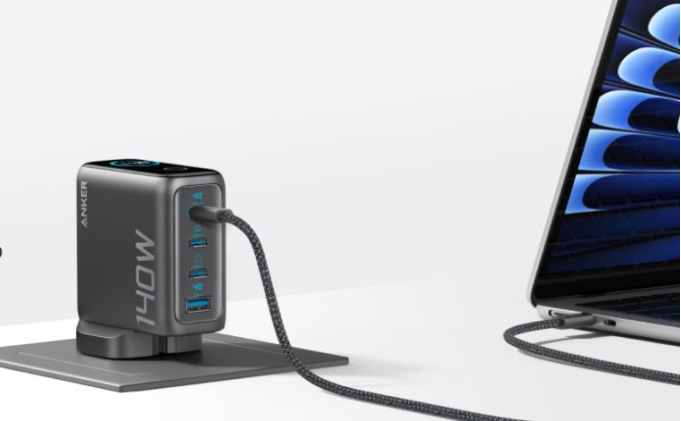
Type-C chargers support significantly higher power levels than older USB-A chargers. With USB Power Delivery (PD), a Type-C charger can deliver anywhere from 18W for phones to over 100W for laptops. For example, Anker’s high-wattage USB-C chargers can fast-charge a smartphone in minutes while also being powerful enough to run a MacBook or Windows laptop. This flexibility makes Type-C suitable for both small and power-hungry devices.
Smarter Power Management
Unlike traditional chargers that deliver a fixed output, Type-C chargers communicate with connected devices to supply the exact power needed. This intelligent negotiation improves efficiency and protects battery health. Modern chargers from brands like Anker integrate safety systems such as temperature monitoring and over-current protection, ensuring that faster charging does not compromise long-term device performance.
Reversible and Durable Design
The reversible plug design of USB-C is more than a convenience but also reduces wear and tear on both cables and ports. Users no longer have to worry about plugging in the wrong way, which helps extend the lifespan of devices. This durability is especially valuable for frequently used chargers, such as compact wall chargers or power banks carried daily.
Support for Data, Video, and Power in One Cable
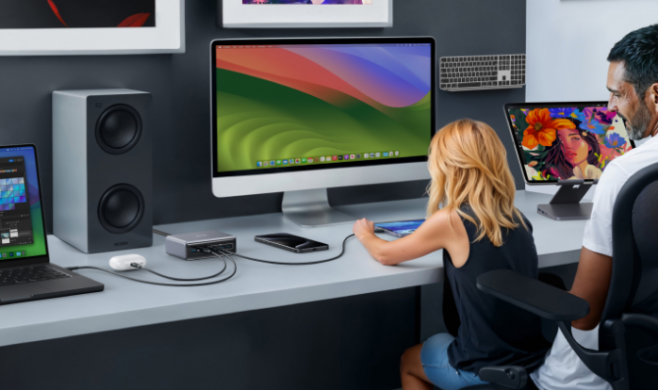
Type-C isn’t just about charging. A single USB-C cable can handle data transfer, video output, and power delivery simultaneously. This opens the door to streamlined setups where one cable connects a laptop to a monitor, keyboard, and charger at the same time. As workspaces become more minimal and mobile, this all-in-one functionality becomes increasingly important.
Future-Proof for New Devices
As technology advances, devices demand more power and faster charging speeds. Type-C is designed to scale with these needs. Higher-wattage standards and improved efficiency mean that a good USB-C charger bought today can still support devices released years from now. Investing in a quality Type-C charger, such as those designed with GaN technology for compact size and high efficiency, ensures long-term usability.
Environmentally Friendly Standardization
Standardizing around Type-C helps reduce the number of chargers produced and discarded. Fewer proprietary chargers mean less electronic waste. Many modern USB-C chargers also use energy-efficient components and recycled materials, aligning with global efforts to make consumer electronics more sustainable.
Conclusion
Overall, Type-C chargers are shaping the future of charging because they combine speed, safety, versatility, and convenience in a single standard. Their ability to power multiple device types, deliver fast and intelligent charging, and adapt to future technology makes them a clear upgrade over older connectors. With trusted brands like Anker continuing to refine USB-C charging solutions, you can expect faster, safer, and more efficient power across all your devices.